Resilience Design Lab Website: WordPress Architecture
28 hours

Description
Built a WordPress website for an OCAD University Resilience Design Lab with a clean academic tone and a maintainable content system. Implemented automated publishing for Projects, Research, and Blog, consistent global styles, reusable layouts, and category based browsing to support ongoing updates.
My Role
UX Designer · Web Designer · WordPress Developer · Information Architecture
Team
Context
The lab needed a simple and credible website to present projects, research, and work in progress in an academic format.Core problem
Research content grows over time. Without a clear site structure and an efficient publishing workflow, updates become manual and inconsistent, and readers struggle to discover related work across topics.Goals
Present the lab’s work with clear navigation and consistent layouts.
Make ongoing publishing easy for the lab team.
Support discovery across research themes through structured metadata.Overview
I designed and implemented a WordPress content system that balances a minimal academic presentation with scalable publishing.Key work delivered
-Site architecture and page layout design
-Defined the site structure and key sections, including Home, Projects, Research, Blog, About, and Contact.Global styles configuration
Set up typography, spacing, and component styles so pages and posts remain visually consistent.Header and navigation
Implemented a clean navigation with clear active states to support wayfinding across major sections.Query loop automation
Configured automated listings so newly published posts populate the correct pages and appear in latest first order with consistent card layouts and controlled summaries.Custom patterns
Created reusable page patterns for common layouts, enabling faster content updates without breaking formatting.Content discovery
Enabled category and tag based browsing so readers can click a topic label and view related posts across research themes.Client feedback shared in a follow up call confirmed that after one month of self managed updates, the site structure and publishing workflow were easy to maintain.
Key Experience Features
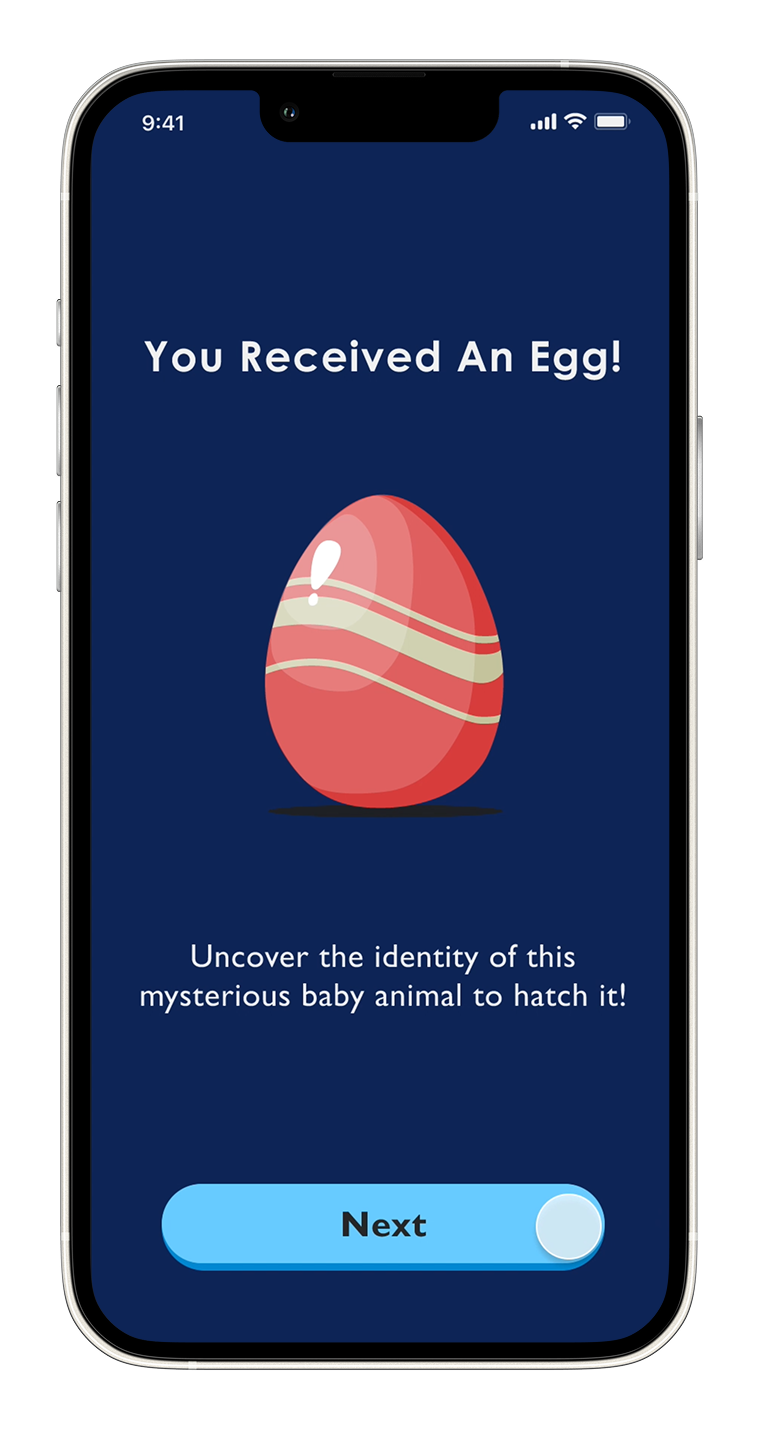
The intention behind presenting a gift is to captivate children, as a gift box imparts a sense of anticipation and positivity. In addition, assigning names to animals aids in expressing emotions, and helps establish a long-lasting connection with the Aquatic-Egg.

To elevate the visitor experience beyond the physical exhibits, we introduce various levels of difficulty at the start of the journey. Higher difficulty settings involve fewer displayed hints, introducing an additional layer of challenge and engagement. Notably, rarer eggs will exclusively hatch at higher difficulty levels.

We aim to introduce a 'Hatching Egg' micro-interaction for children, fostering lessons in compassion, nurturing, and understanding life cycles. The symbolic hatching of the aquatic egg emphasizes the significance of conservation in aquatic life, instilling these values in children.
This also evokes a sense of anticipation, encouraging visitors to reflect on the acquired information from the exhibits.

To elevate the entertainment experience at the Vancouver Aquarium, we incorporated a drawing feature in the experience. Our goal is to offer visitors the opportunity to craft and interact with their personalized unique sea creatures, which can then be showcased at the Teck Connection Gallery.
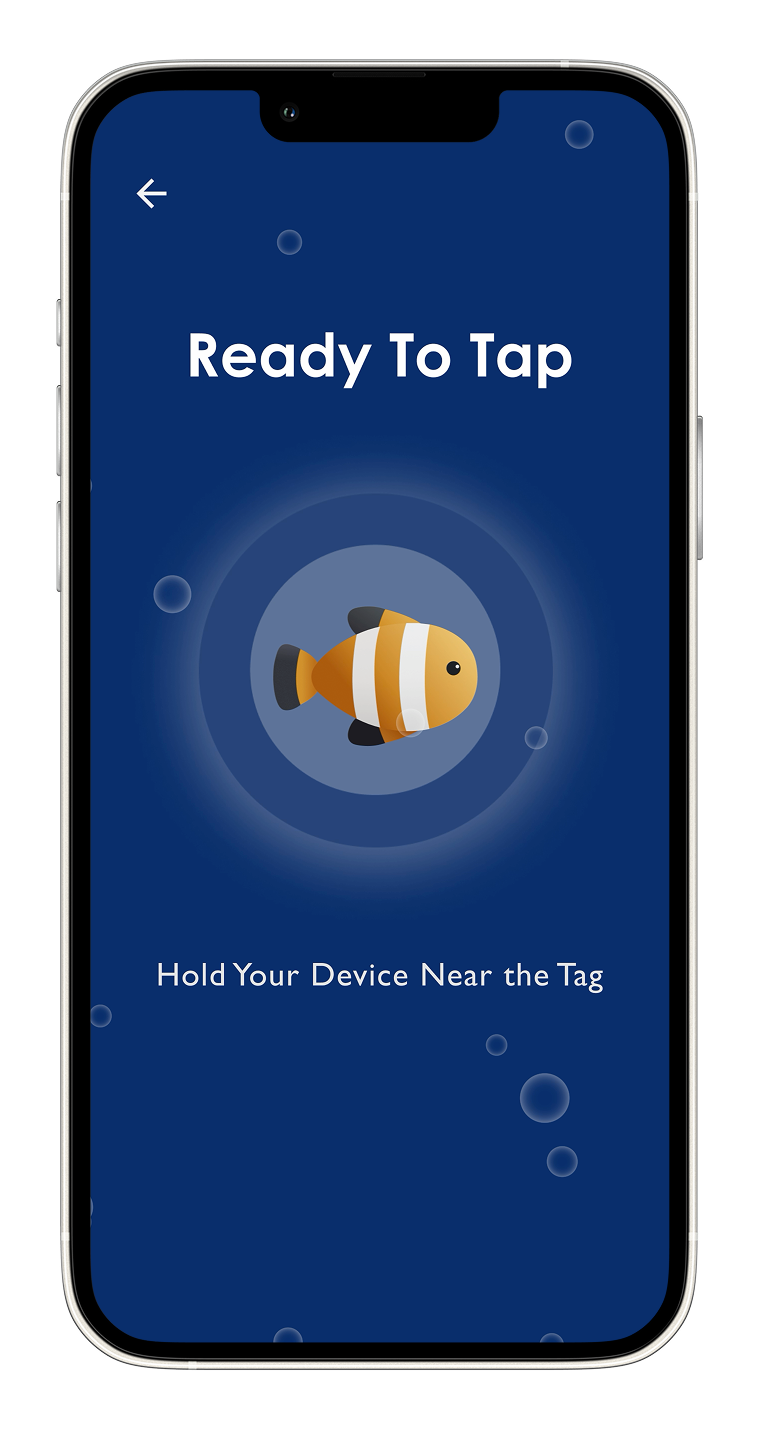
To release their custom sea animal design, visitors are required to hold their device near an NFC tag and project their work onto the Teck Connection Gallery. Every visitor who has participated in this journey can showcase their hatched sea animals.
The simulation of saving and releasing the animal to its habitat encourages empathy as children connect with the animal's needs, promoting a sense of responsibility for its safety and protection.

After visitors have released their hatched sea animal, these sea animals are projected onto the Teck Connection Gallery. This process seamlessly bridges the gap between the virtual and real worlds, allowing visitors to witness their animal come to life in its natural environment.

To enhance the visitor experience beyond the physical exhibits, visitors will receive a collectible card of the animal they hatched at the end of the journey.
Physical collectable cards will be printed for visitors which contains information about their hatched animal as well as a scannable qr code to entice visitors to continue their experience with the newly hatched aquatic animal.We want to offer all visitors the opportunity to take on the role of a responsible caregiver for the virtual aquatic animals they have previously ‘hatched’.
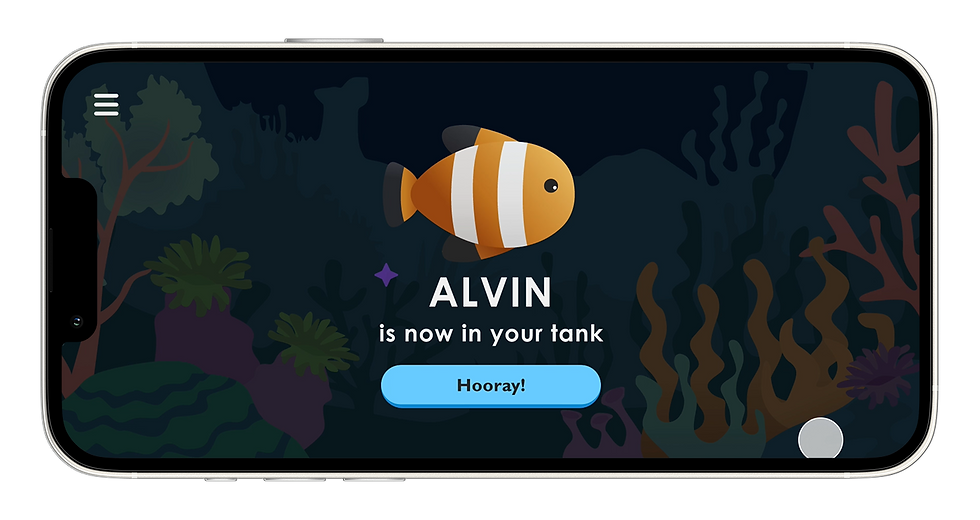
The Aqua Quest app serves as an extension of the visitor’s journey, allowing them to release the fish in the virtual fish tank, revisit their information including conservation value, attributes, habitat details, and acquire a collection handbook.