SHIP: Service Operations and Dashboard Strategy
7-week real-world client project

Description
A client-facing service design and operations strategy project for supportive housing. Developed an intensity-based segmentation approach and decision-support dashboard concepts to improve capacity planning and reduce operational friction, delivered through a final presentation reviewed with strong client reception.
My Role
Service Designer / UX Strategist · Researcher
Team
Context
Supportive housing teams face fluctuating client needs, inconsistent ways to define and track service intensity, and high administrative workload, which together strain staff capacity and sustainability.Core problem
The organization lacked a repeatable, decision-ready model to translate frontline workload into actionable planning: how to segment clients by intensity, balance demand vs capacity, and make dashboards useful for management decisions rather than reporting only.Design challenge
How might we redesign service operations and decision support so leaders can plan staffing and caseloads more effectively while keeping implementation feasible for frontline teams?Approach
We treated the service as a system and co-shaped recommendations around real operational constraints shared by the client.Key outputs
Intensity-based client segmentation model to support consistent prioritization and workload planning
Dashboard improvement concepts to support managerial decision-making (capacity visibility, performance vs targets, and workload comparisons)
Initiative portfolio + phased roadmap (quick adoption → pilot → scale) to guide implementation sequencing
Feasibility guardrails addressing staffing capacity, governance, and change-management realities
Client delivery
The final recommendations were packaged into a client-ready presentation and presented to SHIP stakeholders for review and alignment.Presented an implementation-oriented strategy and roadmap directly to SHIP stakeholders. The client feedback indicated the proposed initiatives and decision-support direction aligned well with their real operational challenges and were viewed as actionable solutions.
Key Experience Features
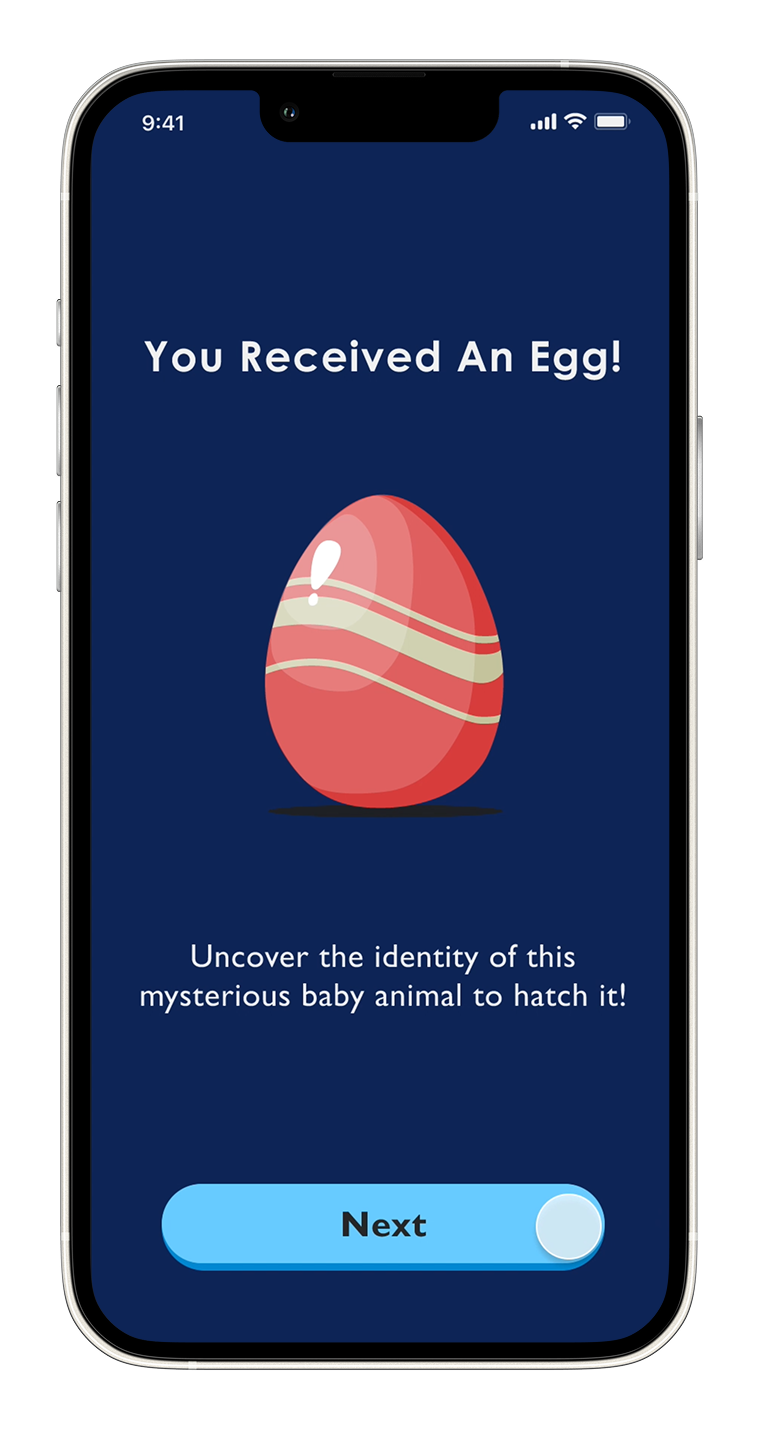
The intention behind presenting a gift is to captivate children, as a gift box imparts a sense of anticipation and positivity. In addition, assigning names to animals aids in expressing emotions, and helps establish a long-lasting connection with the Aquatic-Egg.

To elevate the visitor experience beyond the physical exhibits, we introduce various levels of difficulty at the start of the journey. Higher difficulty settings involve fewer displayed hints, introducing an additional layer of challenge and engagement. Notably, rarer eggs will exclusively hatch at higher difficulty levels.

We aim to introduce a 'Hatching Egg' micro-interaction for children, fostering lessons in compassion, nurturing, and understanding life cycles. The symbolic hatching of the aquatic egg emphasizes the significance of conservation in aquatic life, instilling these values in children.
This also evokes a sense of anticipation, encouraging visitors to reflect on the acquired information from the exhibits.

To elevate the entertainment experience at the Vancouver Aquarium, we incorporated a drawing feature in the experience. Our goal is to offer visitors the opportunity to craft and interact with their personalized unique sea creatures, which can then be showcased at the Teck Connection Gallery.
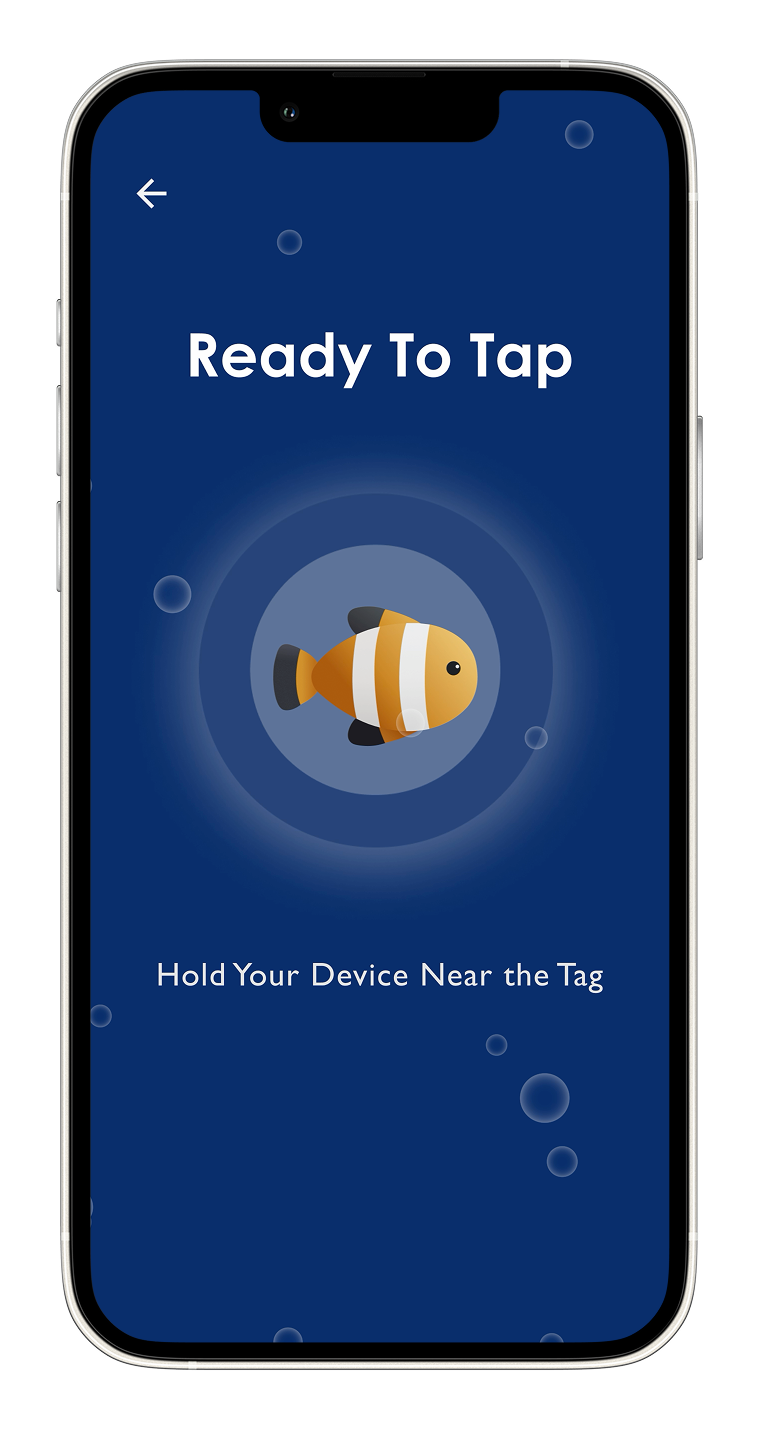
To release their custom sea animal design, visitors are required to hold their device near an NFC tag and project their work onto the Teck Connection Gallery. Every visitor who has participated in this journey can showcase their hatched sea animals.
The simulation of saving and releasing the animal to its habitat encourages empathy as children connect with the animal's needs, promoting a sense of responsibility for its safety and protection.

After visitors have released their hatched sea animal, these sea animals are projected onto the Teck Connection Gallery. This process seamlessly bridges the gap between the virtual and real worlds, allowing visitors to witness their animal come to life in its natural environment.

To enhance the visitor experience beyond the physical exhibits, visitors will receive a collectible card of the animal they hatched at the end of the journey.
Physical collectable cards will be printed for visitors which contains information about their hatched animal as well as a scannable qr code to entice visitors to continue their experience with the newly hatched aquatic animal.We want to offer all visitors the opportunity to take on the role of a responsible caregiver for the virtual aquatic animals they have previously ‘hatched’.
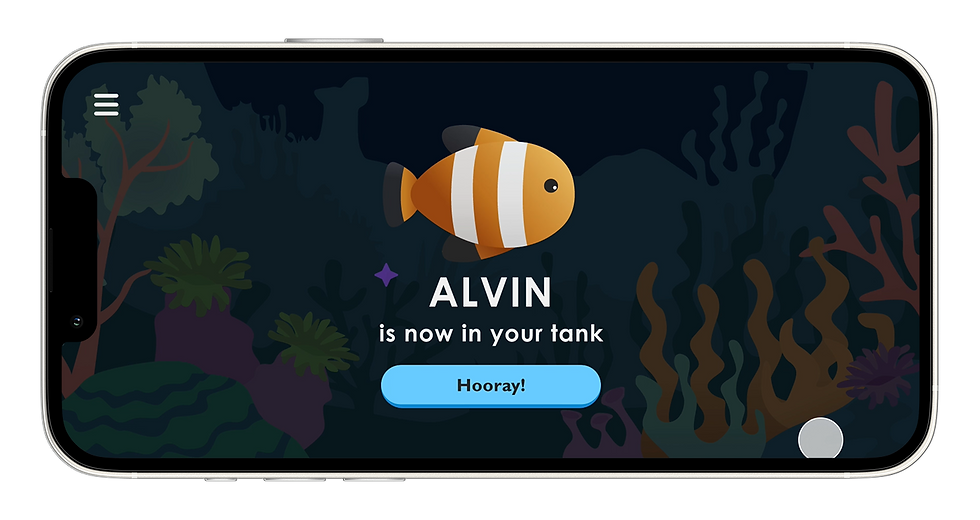
The Aqua Quest app serves as an extension of the visitor’s journey, allowing them to release the fish in the virtual fish tank, revisit their information including conservation value, attributes, habitat details, and acquire a collection handbook.